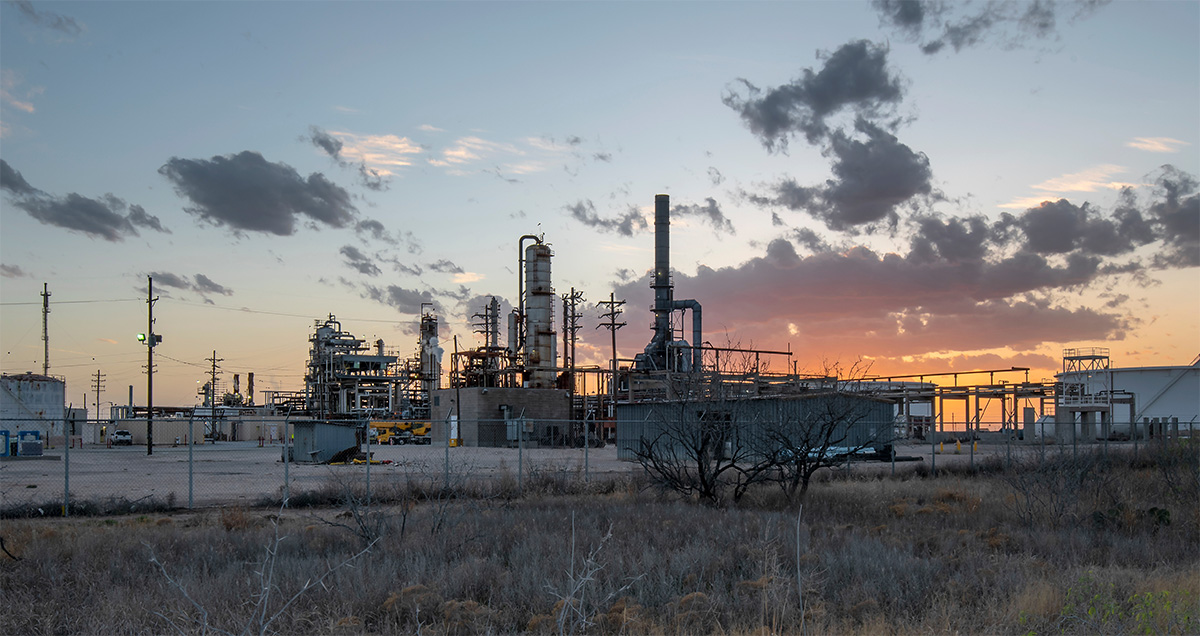

PFAS, Imminent National Standards, and the Value of Locating Old CGL Policies


BY: KRISTEN DRAKE

Perfluoroalkyl and polyfluoroalkyl substances (PFAS) are part of a very broad chemical group that have found their way into commercial and industrial use due to their unique chemical properties that repel oil and water and resist temperature, chemicals, and fire. This means PFAS are everywhere. As a contaminant resistant to degradation and requiring substantial remediation, PFAS are currently the subject of increased scrutiny by environmental regulators, private party plaintiffs, manufacturers, and the insurance industry. 

On March 14, 2023, it was announced that the Biden-Harris Administration will be proposing the first-ever national standards for six (6) per- and polyfluoroalkyl substances (PFAS) or “forever chemicals”. In addition, the U.S. Environmental Protection Agency (EPA) Office of Enforcement and Compliance (OECA) held its first of two public listening sessions to obtain general comments about their proposed plans for enforcement of PFAS under the Comprehensive Environmental Response Compensation and Liability Act (CERCLA) and the financial obligations for responsible parties of PFAS contamination to further their development of a CERCLA PFAS enforcement discretion policy. Both actions build on President Biden’s PFAS pollution action plan and the EPA’s PFAS Strategic Roadmap, which were started over two years ago with the objectives of controlling and addressing PFAS pollution and holding PFAS polluters accountable to safeguarding public health and advancing environmental justice.

While progress is being made, additional questions arise on the future of PFAS regulation implementation and the potential financial obligations and risks to municipalities and other sectors. For instance, we do not have a clear understanding of who will be held responsible for funding the cleanup of PFAS contamination via the aqueous film forming foam (AFFF), a.k.a. firefighting foam, releases at many airports and fire departments, since the EPA is proposing to exempt these entities.

HISTORICAL COMMERCIAL GENERAL LIABILITY INSURANCE SHOULD BE LOCATED AND TENDERED TO PAY FOR PFAS INVESTIGATION, CLEANUP, REMEDIATION, AND LEGAL DEFENSE

Those who used or interacted with PFAS during their business operations and/or property ownership can face a variety of exposures due to PFAS – including product liability, bodily injury, and environmental cleanup claims. Policyholders should be ready to find and use their commercial general liability (CGL) policies written prior to 1986 to pay for the investigation, remediation, and legal defense of PFAS.

There are three reasons older CGL policies can protect business and property owners against claims for property damage and bodily injury:

1. Older CGL policies typically apply to an “occurrence” rather than “claims-made basis”, which means the policies in place when there was property damage during the policy period should continue to apply, even if the liability does not appear until decades later. So, as it relates to PFAS that have allegedly been in the soil, groundwater, or otherwise since the 1960s, 1970s, or 1980s, CGL policies from those years can pay for environmental investigation, cleanup, and legal defense.

2. Older CGL policies, issued prior to 1986, did not include the absolute pollution exclusion. This means older CGL policies can cover long-tail claims (including PFAS), such as environmental, investigation, cleanup, and legal counsel fees. 

3. Applicable CGL insurance policies never expire. PFAS claims don’t change this fact.

If you feel that you or your business may gain liability from the formal regulation of PFAS chemicals as hazardous substances, contact PolicyFind as soon as possible to get your historical CGL portfolio in order.

PolicyFind is watching the development of insurance coverage related matters regarding PFAS very closely, not only for bodily injury claims but also for property damage claims related to the investigation and cleanup of subsurface contamination. Significant developments will be shared in future blog posts. For questions or more information, please contact us.

California Bill Aims to End Statute of Limitations for Child Sexual Abuse

On February 6, just over a month after California’s Child Victims Act reviver statute ended, California Assembly member Dawn Addis and Senator Nancy Skinner introduced AB 452, the “Justice for Survivors Act”. 

While California’s Child Victims Act provided childhood survivors of sexual abuse a 3-year period to file civil lawsuits against their abusers and associated institutions, this ‘lookback window’ closed on December 31, 2022. 

Currently, people who were sexually abused as minors in California can file civil lawsuits until they are 40 years old. If passed, AB 452, which awaits referral to its first policy committee, would eliminate those time constraints.  

OLD GENERAL LIABILITY INSURANCE POLICIES CAN HELP
Whether states enact lookback windows, or when new legislation is passed that removes or reduces the statute of limitations for sexual abuse civil suits, organizations that are linked to alleged abuses can get caught in the crossfire between plaintiffs and alleged offenders. Occurrence-based Commercial General Liability (CGL) policies issued to these organizations during the policy periods in which the alleged abuse occurred can respond to these new claims – even if the alleged abuse happened several decades ago.

WHY SHOULD YOU CONSIDER INSURANCE ARCHEOLOGY?
Upon receiving notice that a lawsuit has been filed against them under a reviver statute, or under a new law, defendant organizations typically first contact their attorneys, who then suggest contact should be made with their current insurance agents and brokers to find insurance. 

However, because of standard document retention practices, these organizations quickly learn their current agent/broker has no information dating back decades. Often, policyholders will next contact insurance companies, expecting that their old coverage information is still stored within the insurance company’s ‘old files’. These requests are often fruitless, as the burden of proving the existence of historical liability coverage falls to the policyholder. Furthermore, the insurance company is not required to keep a policyholder’s information. It’s at this point that defendant organizations should consider Insurance Archeology.

Insurance Archeology is the practice of locating and retrieving proof of the existence, terms, conditions, and limits of lost or destroyed insurance policies. PolicyFind’s expertise is finding and bringing to light old insurance coverage for our clients. Under current and future reviver statutes and emerging new laws across the country, historical CGL policies issued to businesses, schools, churches, and other organizations, are the first line of assets to be explored to pay for claims against them.

Contact PolicyFind today to learn more about how to discover and reconstruct your organization’s historical liability insurance portfolio.

New York Adult Survivors Act ‘Lookback Window’ Opens

BY: KRISTEN DRAKE

On May 24, 2022, New York Governor, Kathy Hochul, signed the Adult Survivors Act (ASA) into law.  The ASA creates a one-year ‘Lookback Window’ which opened on November 24, 2022, to allow survivors who were adults (18 and older) at the time they were sexually abused and assaulted to sue their abusers – regardless of when the offenses occurred.

In 2019, the state of New York enacted the Child Victims Act (CVA) which opened a ‘Lookback Window’ to commence civil actions.  The CVA was extended another year due to the COVID-19 pandemic, and when the window closed in August of 2021, nearly 11,000 lawsuits had been filed. During the CVA lookback window, countless churches, schools, foster care agencies, and youth-based organizations were obliged to respond to the alleged abuses. An important differentiation between the CVA and the ASA, is the age of the survivor when the sexual abuse or assault occurred, although both fall under the broader category of reviver statutes. Prior to the ASA, reviver statutes focused primarily on abuses against children.  With this new law, it’s likely that different types of organizations will face allegations dating back decades, because the survivors were 18 and older when the sexual assault or abuses happened. This expansion may include accusations made regarding assaults at colleges, in the workplace, and/or health care facility abuses – to name a few.

DECADES-OLD OCCURRENCE-BASED GENERAL LIABILITY POLICIES CAN HELP
When states enact these lookback windows, removing or reducing the statute of limitations for sexual abuse civil suits, organizations that were proximal to alleged abuses can get caught in the crossfire between plaintiffs and alleged offenders. Occurrence-based Commercial General Liability (CGL) policies issued during the policy periods in which the alleged abuse occurred can respond to these new claims – even if the alleged abuse happened in the 1960s.

DEFENDANT ORGANIZATIONS SHOULD CONSIDER INSURANCE ARCHEOLOGY
As more organizations are compelled to identify and locate their decades-old liability policies to help pay damages, they are oftentimes disheartened to learn how difficult it can be. Since the time of interest in reviver statute claims is oftentimes at least 40 years ago, many records could be lost, destroyed by fire or flood, or purposely purged.

Upon receiving notice that a lawsuit has been filed against them under a reviver statute, defendant organizations should contact their attorneys, who typically suggest contact with their current insurance agents and brokers. Because of standard document retention practices, these companies quickly learn their current agent/broker has no information dating back decades. It’s at this point, or perhaps following a fruitless internal archive search, that defendant organizations should consider Insurance Archeology.

Insurance Archeology is the practice of locating and retrieving proof of the existence, terms, conditions, and limits of lost or destroyed insurance policies. PolicyFind’s expertise is finding and bringing to light old insurance coverage for our clients. Under current and future reviver statutes across the country, historical CGL policies issued to businesses, schools, churches, and other organizations, are the first line of assets to be explored to pay for claims against them.

Contact PolicyFind today to learn more about your organization’s historical liability insurance portfolio.
U.S. District Court Finds Absolute Pollution Exclusion Ambiguous; What This Could Mean for Dry Cleaners/Industrial sites in New Mexico

LEARN HOW CASE LAW MAY BE FAVORABLE FOR POLICYHOLDERS FACING ENVIRONMENTAL LIABILITY IN NEW MEXICO

BY: DRU CARLISLE

Case law could be poised to become more favorable for Policyholders in New Mexico who are facing challenges related to Environmental Liability. In nearly every state in the country (with Indiana as an exception), courts have agreed that the Absolute Pollution Exclusion bars coverage for addressing environmental contamination. Typically, this would mean that most general liability policies written after 1985 would not provide a defense to the Policyholder related to environmental cleanup.

In Indiana, a ruling in 2010 determined that the Absolute Pollution Exclusion was considered “ambiguous,” making it possible for many Policyholders to use their insurance policies up until around the mid-2000s.

WHAT COULD THIS MEAN FOR YOU?

Hypothetically, let’s say that you’ve been operating a drycleaning business since 1988 in Santa Fe, New Mexico. You’ve recently discovered, after attempting to sell your property and performing a Phase II, as required by the lender, that there is perchloroethylene contamination within the groundwater. Previously, the General Liability policies that you procured for your business would not provide coverage for remediation because of the Absolute Pollution Exclusion. However, if this ruling were to move forward as expected, you could now have applicable insurance coverage.

Even though this ruling could open a larger opportunity for policyholders to seek coverage from their past insurers on more recent policies, the policies that would be responding to these types of claims could have been issued more than 20 years ago, or earlier. If you don’t know anything about your old occurrence-based general liability policies, contacting an Insurance Archeologist is the best way to find them and bring them to bear.

For over 20 years, PolicyFind has helped business owners and property owners alike, as they navigate expensive environmental contamination cleanup efforts, by finding lost or misplaced General Liability insurance policies that can respond to such claims. PolicyFind will continue to watch this ruling unfold in New Mexico and will provide updates as they arise.

Contact PolicyFind today to learn more about how we can help you find evidence of your organization’s historical coverage.


Tenth Circuit Reverses District Court’s Ruling on Absolute Pollution Exclusion in New Mexico

In 2022, the U.S. District Court for the District of New Mexico ruled that the absolute pollution exclusions contained in certain general liability policies were ambiguous and therefore ineffective to bar a duty to defend in Chisholm’s Village Plaza, LLC v. Travelers Commercial Insurance Co., 621 F. Supp. 3d 1195 (D.N.M. 2022). That ruling has since been reversed.

On April 23, 2025, the U.S. Court of Appeals for the Tenth Circuit issued an unpublished Order and Judgment in Chisholm’s-Village Plaza LLC v. The Cincinnati Insurance Company, Nos. 23-2133 and 23-2134. The Tenth Circuit held that the New Mexico Supreme Court would find that the absolute pollution exclusions at issue unambiguously precluded coverage for the CERCLA complaint’s alleged release of contaminants.

The underlying case involved CERCLA claims brought by the City of Las Cruces and Doña Ana County relating to alleged releases of hazardous substances from dry-cleaning operations at the Griggs & Walnut Superfund Site. The complaint alleged that PCE and other hazardous substances had contaminated soil and groundwater.

The District Court had predicted that New Mexico would follow an approach similar to Indiana’s State Auto v. Flexdar decision, requiring greater specificity regarding the substances encompassed by a pollution exclusion. The Tenth Circuit rejected that prediction and concluded that the exclusions at issue were not ambiguous as applied to the CERCLA allegations.

The Tenth Circuit also rejected the District Court’s alternative reasoning that disagreement among jurisdictions, by itself, created sufficient ambiguity to trigger a duty to defend. Relying on New Mexico law, including United Nuclear Corp. v. Allstate Insurance Co., the Tenth Circuit explained that a split in legal authority may be indicative of ambiguity, but does not establish ambiguity on its own.

The decision changes the takeaway from the District Court’s 2022 ruling. While the District Court predicted that New Mexico would treat the absolute pollution exclusion as ambiguous, the Tenth Circuit reached the opposite conclusion and held that the exclusions at issue were unambiguous as applied to the CERCLA allegations and barred coverage for the claims asserted in that action. The New Mexico Supreme Court has not yet directly addressed the absolute pollution exclusion.

For organizations facing environmental liabilities, the decision reinforces the importance of identifying and evaluating historical insurance coverage across all potentially relevant policy years. Many environmental claims involve operations dating back decades, and policies issued before the widespread use of absolute pollution exclusions may remain important sources of potential defense and indemnity funding.

Contact PolicyFind today to learn more about how we can help locate, reconstruct, and analyze historical insurance coverage that may respond to environmental liabilities.